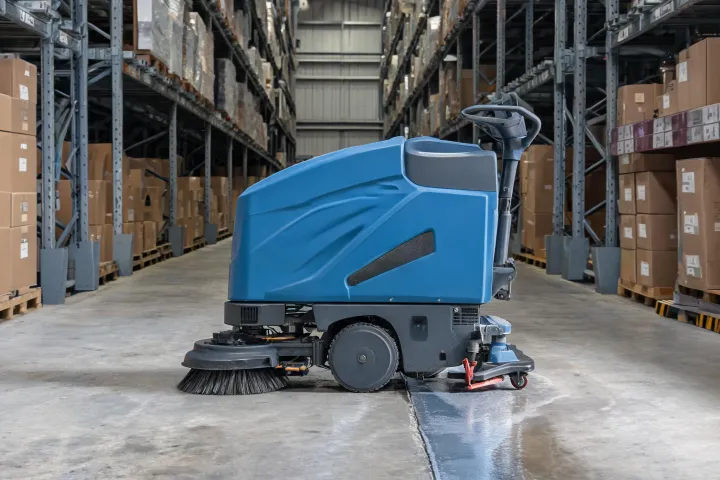
Compact access
Walk-behind floor scrubbers
Use where door clearance, turning radius, elevators, fixtures, or shared pedestrian space limit machine envelope. Compare working width with the narrowest recurring constraint.
Open catalog
Compare machine format, productive path, refill travel, operator handoff, and scheduled maintenance before estimating cost per cleaned area.
The useful shortlist is the one that fits the most constrained part of the route and can be maintained within the actual shift routine.
Use where door clearance, turning radius, elevators, fixtures, or shared pedestrian space limit machine envelope. Compare working width with the narrowest recurring constraint.
Open catalog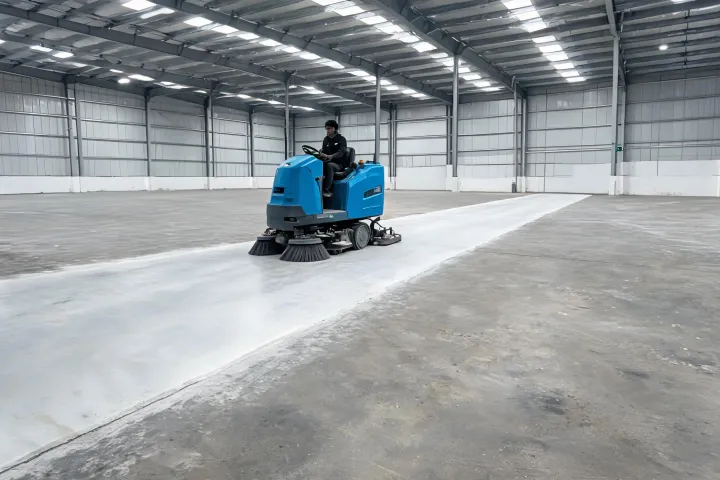
Assess open productive area, transport legs, turning points, tank strategy, operator sightlines, and charging access. Larger capacity only helps when the route can use it.
Open catalog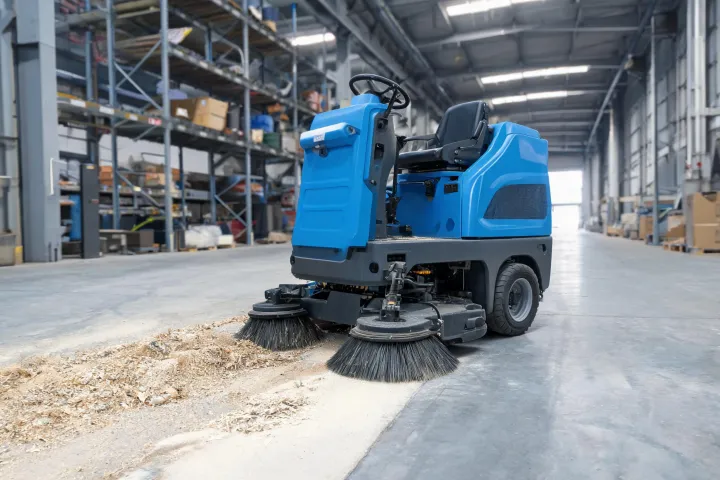
Review debris size, dust behavior, floor joints, edge work, hopper handling, and downstream scrubbing. Sweeping and scrubbing solve different parts of the soil problem.
Open catalogPublished specifications describe a machine. A reproducible route record shows whether those specifications fit a facility.
No. Working width multiplied by travel speed describes a theoretical ceiling. Turns, overlap, obstacles, setup, refill, dump, transport, and operator pace reduce actual route output.
No. Higher pressure may increase removal action, but it can also increase pad or brush wear, power demand, and risk to a finish. Evaluate pressure with the complete cleaning method.
Not automatically. Capacity can reduce stops on open routes, while added machine size can restrict access, storage, transport, and visibility. Compare net route time, not one specification.
Use the same test boundary, floor condition, soil, brush or pad, chemistry, travel pace, and operator. Record productive time and non-cleaning time separately.
Describe the floor area, tightest access, dominant soil, available cleaning window, power arrangement, and who will maintain the machine.